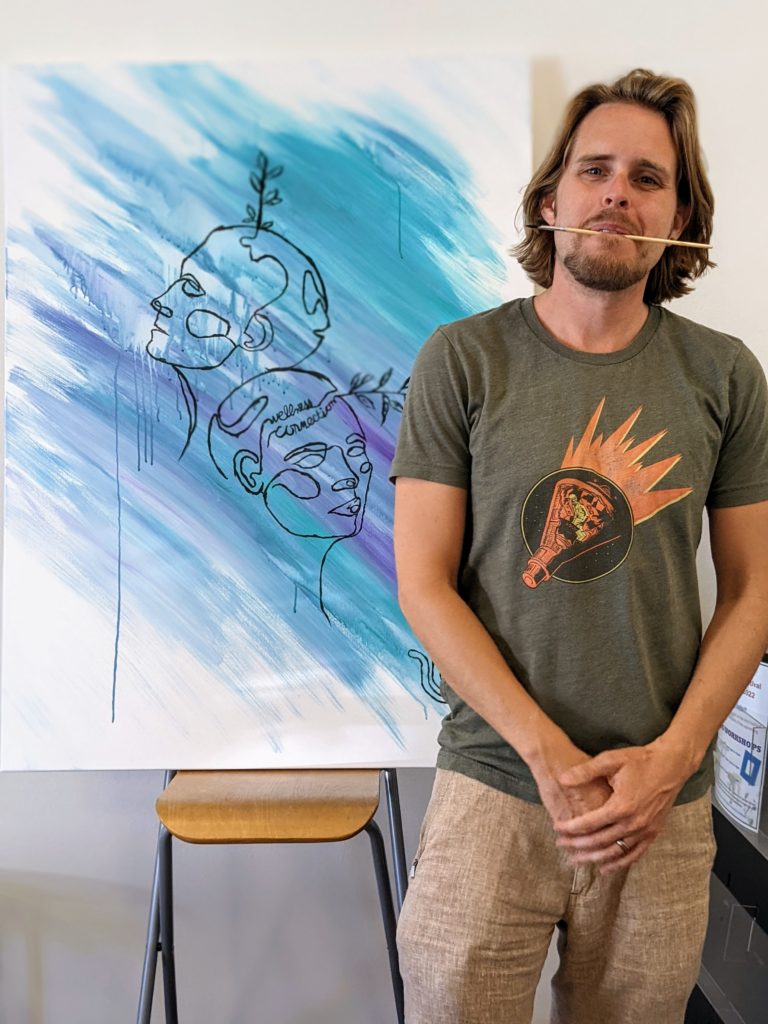

There is something sacred about preserving a piece of art.
A painting holds not only pigment and surface, but time. Brush strokes, texture, subtle shifts in tone—these are decisions. They are moments. And when we digitize artwork, the goal is not simply to “take a photo.” The goal is to honor those decisions with accuracy.
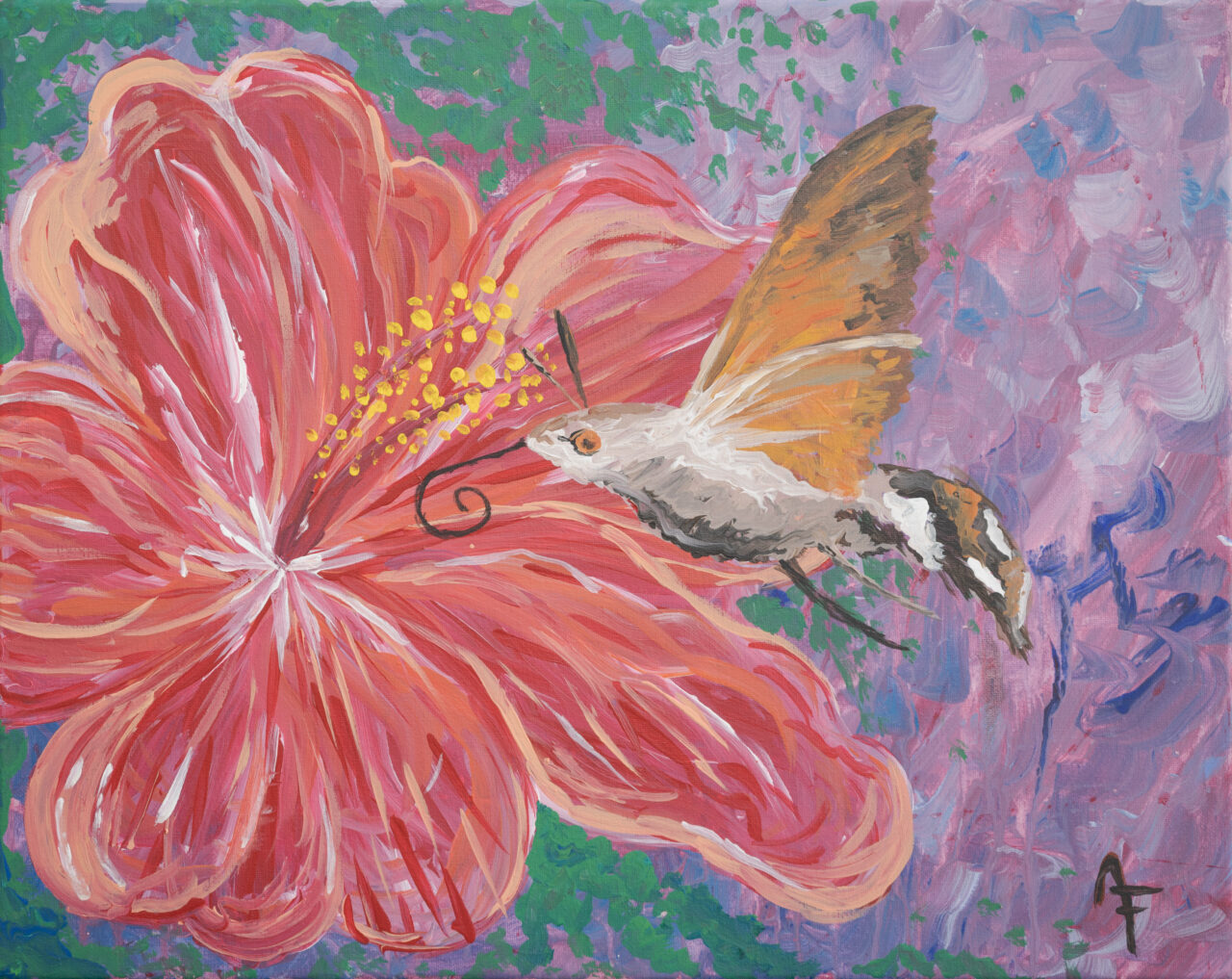
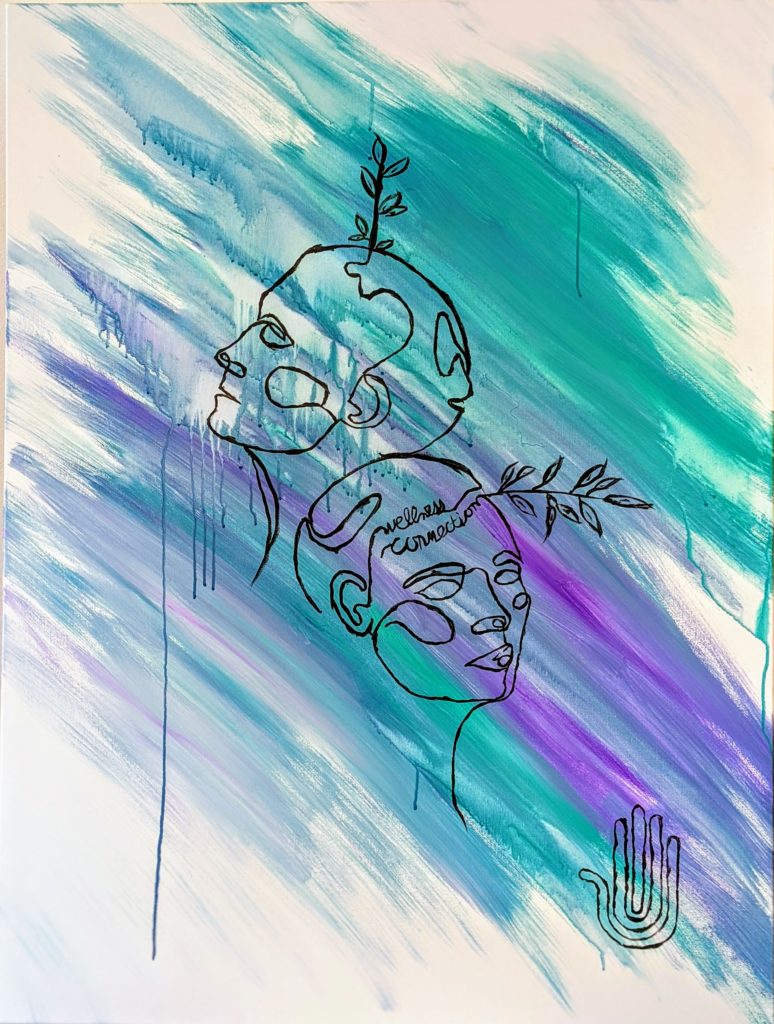
Over the past 2 years, I’ve refined a high-fidelity archival workflow that allows me to capture artwork exactly as it exists in real life—true color, true detail, zero glare, and full resolution integrity. Whether the piece is framed behind glass, painted in oil with reflective texture, or completely unframed, the result is the same: archive-level clarity and precision.
The Gear & Foundation
My archival setup is built around control and repeatability:
- Nikon Z5 full-frame mirrorless camera
- NIKKOR Z MC 50mm f/2.8 macro lens (edge-to-edge sharpness with minimal distortion)
- 2x Rosco Polarizing #7300 filters (17” x 20”)
- K&F Concept Nano-X Circular Polarizer (lens mounted)
- 2x RALENO 16” x 16” Softboxes (5500K | 97 CRI | TLCI ≥97)
- X-Rite Color Passport & calibration software
- Lightroom Classic
- Mac Mini M2 Pro
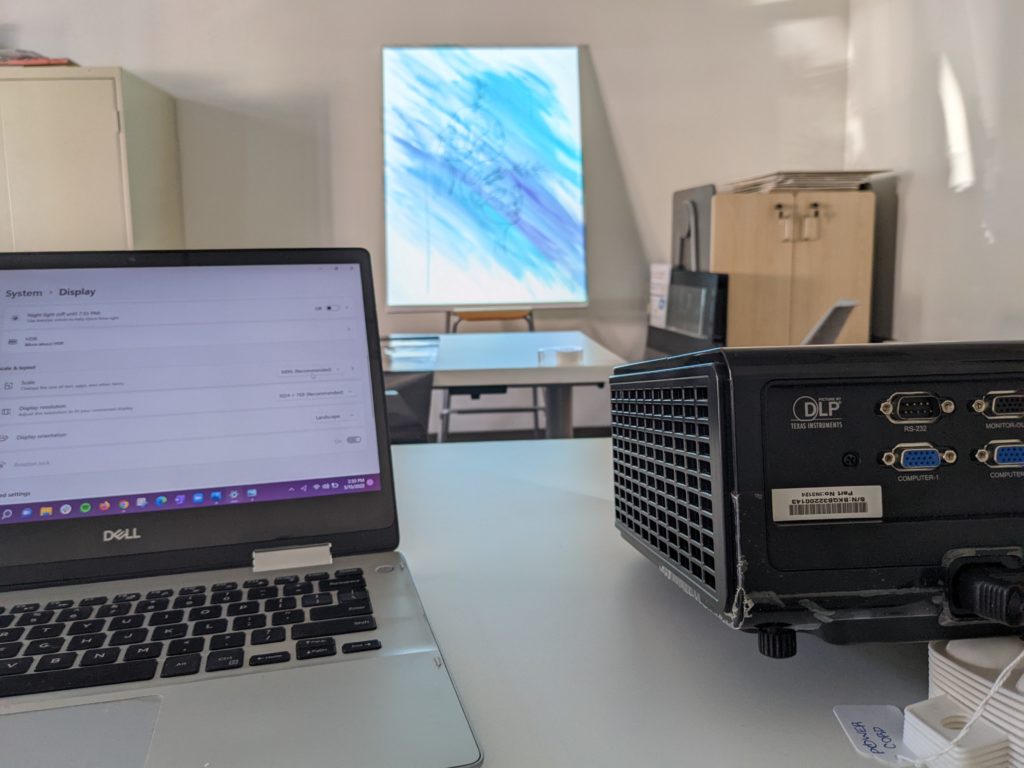
- Professional easel mounting system
But gear alone isn’t what creates accuracy. The workflow does.
Step 1: Controlled, Even Lighting

The painting is mounted vertically or horizontally on an easel. Two softboxes are placed at equal height and equal distance on either side, angled at roughly 45 degrees to the surface. This placement ensures even illumination across the entire piece and prevents falloff from one side to the other.
The lights are balanced at 5500K daylight temperature, creating a neutral and consistent baseline before any color correction begins.
Step 2: Cross-Polarization (Eliminating Glare Completely)
Each softbox is fitted with a linear polarizing sheet. A circular polarizer is mounted on the lens. By rotating the lens filter to counteract the polarization direction of the lights, reflected light is cancelled out.
- Glass reflections disappear.
- Gloss varnish no longer produces hot spots.
- Metallic or textured paint loses specular glare.
What remains is pure surface information.
This allows me to faithfully capture:
- Framed works behind glass
- High-gloss oil paintings
- Heavy impasto texture
- Mixed media surfaces
Without polarization, archival photography requires so much comprimse. It wouldn’t allow for high-gloss paint and museum glass framed paintings.
Step 3: Color Accuracy & Profiling
Before photographing the artwork, I set up my camera to all manual settings so that I’m not working with a moving goal post. Then I capture an image of the X-Rite Color Passport and a grey card under the exact same camera settings and lighting conditions of the final photo. Using the calibration software, I generate a custom color profile specific to that session’s lighting and camera configuration.
This profile is then applied in Lightroom Classic to my x-rite calibrated monitor. This allows me to see the truth.

The result is not “adjusted color”—it is corrected color. Whites become neutral. Reds stop oversaturating. Subtle tonal transitions remain intact. What appears on the calibrated monitor matches what exists in physical space.
The goal is simple: the digital file should look indistinguishable from the artwork under neutral light.
Step 4: Resolution & Micro-Detail
The Nikon Z5 paired with the 50mm macro lens produces exceptional clarity across the frame. When viewed at 100% zoom, individual canvas fibers, brush ridges, and micro-transitions in pigment remain sharp and natural.
The Macro lense has a special final glass layer that minimizes aberrations and distortions of the image.
This level of detail is essential for:
- Fine art print reproduction
- Archival documentation
- Gallery submissions
- Portfolio websites
The intention is never to “enhance” or stylize the piece. The intention is truth and fidelity.
Step 5: High-Fidelity Export
From Lightroom Classic, I generate exports tailored to their purpose:
- High-resolution archival TIFFs
- Print-ready files in appropriate color spaces
- Web-optimized JPEGs with embedded metadata
Whether the piece is small or large, framed or unframed, under glass or raw canvas, the workflow scales. The lighting geometry, polarization, and color calibration remain consistent.

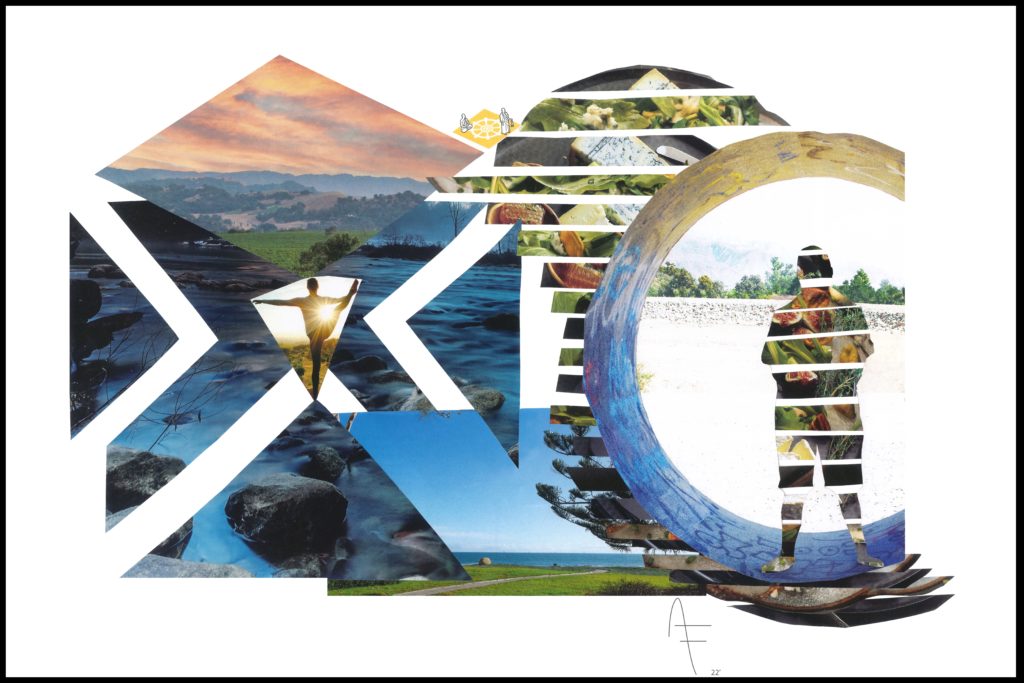
With Frame

With Frame, Cropped
Why This Matters
Archival photography is not simply documentation—it is preservation.
As artists, our work deserves to be represented accurately long after it leaves the studio. Collectors, galleries, insurers, and publishers all rely on digital reproductions. If those reproductions are flawed—incorrect color, glare, distortion—then the artwork itself is misrepresented.

For me, this process mirrors how I approach product development: understand every variable, control the system, remove uncertainty, and build a repeatable framework.
Light angle. Polarization direction. Color temperature. Lens distortion. Export color space. When each variable is accounted for, the final image stops being a “photo of a painting.” It becomes a faithful digital twin of the original.
If you’re an artist looking to preserve your work with precision and integrity, I’d love to connect.