What Ray Bradbury Taught Me About Letting Things Breathe

I have a folder on my hard drive full of MIDI music memos and rough recordings — ideas I’ve captured and then completely forgotten about. Every once in a while I’ll dig back through it, and something will stop me. Something I made a year ago, maybe two, that sounds fresh and surprising in a way I couldn’t have heard when I made it. I was too close to it back then and I couldn’t tell what it actually was.

I’ve always known this feeling. I didn’t know it had a name until I read the introduction to Ray Bradbury’s The Martian Chronicles.


Written in 1950 right after he turned in the final manuscript, Bradbury’s essay “How I Wrote My Book” was found in his home office files decades later and eventually published as part of the book’s deluxe edition. It’s not long. But it covers more ground than most books do — and the way it moves from one idea to the next is what got me.

He opens with craft. Specifically, the rotation system he built to write the Chronicles over five years. The idea was simple and familiar. Work hard on a story for a week, then file it away for six months. Move on to something else entirely. Finally, come back to it later with fresh eyes, rewrite it. Then repeat until it’s right.

His reasoning is that a story you’ve been grinding on for days hides its true face behind what he called “a mist of prejudice, tiredness, and boredom.” You can’t see it clearly. You’re too inside it. The only way to get the distance you need is to actually walk away — not for a few days, but for months — and let time do the separating for you.

That landed hard for me because the folder I mentioned earlier; that’s exactly what’s happening there. I’m marinating my ideas like a chicken breast in the fridge. The recording doesn’t change, but I do… When I come back, I’m closer to a listener than the person who made it and I can finally hear what it actually is.

Here’s where Bradbury pivots, and it’s seamless enough that you almost miss it.


He starts talking about what happens when a writer tries to produce on a market’s schedule — reacting to what editors want, slanting work toward what sells, chasing formulas. And you realize he’s describing the exact same problem, but one level up. The market is just another form of closeness; another thing that prevents distance. When commerce sets the timeline, you never get to walk away. You’re always in that, all-too-near relationship with your own work, and the authenticity gets squeezed out — not by bad intentions, but by the structure of the transaction itself.

He put it plainly: a writer who starts reacting to what editors want instead of what he actually thinks and feels is “over, done, finished and dead before he starts.”

Before writing anything, he’d ask: What do I actually think? What do I actually feel? What would I be afraid of, if I were dropped on Mars tonight? Not what would make a good story. Not what would sell. What’s actually true for me or for humanity.

That’s the only way you get to personal truth. It’s your balance between your filter and your wonder that makes things personal. Without it, it’s just the entirety of the universe existing. If a tree falls in the woods, does it make a noise?

And then he does it again. Another pivot, even bigger.


He draws a straight line from the individual creative act to human civilization at large. His whole premise for the Chronicles is that Mars is not a crystal ball, it’s a mirror. Whatever people bring with them in their suitcase and their soul, that’s all they’ll find there. The atom bomb follows you. Your politics follow you. Your habits follow you. You can outrun the speed of sound but you cannot outrun yourself.

It’s the same problem. We move fast, we produce, we export, and we never stop long enough to look at what we’re actually carrying. Bradbury imagined an Earth man arriving on Mars with his hot dog stands, his television, and his insistence on business as usual, and watched the whole expedition collapse under the weight of it.

He wasn’t writing science fiction. He was writing about what happens when you don’t let things breathe.


I think about this a lot in the context of how creative work gets made now. The pace of everything — content cycles, release schedules, social media, algorithms — is optimized for volume and immediacy. Which is the exact opposite of what Bradbury is describing. The system he built required slowness as a feature, not a workaround. The six months wasn’t wasted time. It was the work.

I don’t think you have to be a writer for this to apply. If you make anything from music to gardening to software code — you know the feeling of being too close to it. The thing that seems finished when you’re exhausted at midnight looks completely different at 10am two weeks later. That gap is information; the discomfort of the gap is the point.

Bradbury averaged three major stories a year under this system. Three. Not because he was slow, he was also writing fourteen other stories annually just to pay the bills. But for the work that actually mattered to him, he guarded the distance. He protected his own ability to see clearly.

I think that’s the real argument the essay is making, underneath everything else. Not just about writing, not just about commerce, not just about politics. It’s about what happens when you refuse to let anything sit long enough to become itself.

The folder on my hard drive is starting to make a lot more sense.


Ray Bradbury’s “How I Wrote My Book” was written October 17, 1950, and is included in the deluxe edition of The Martian Chronicles.
KNOWING YOU, AS ME

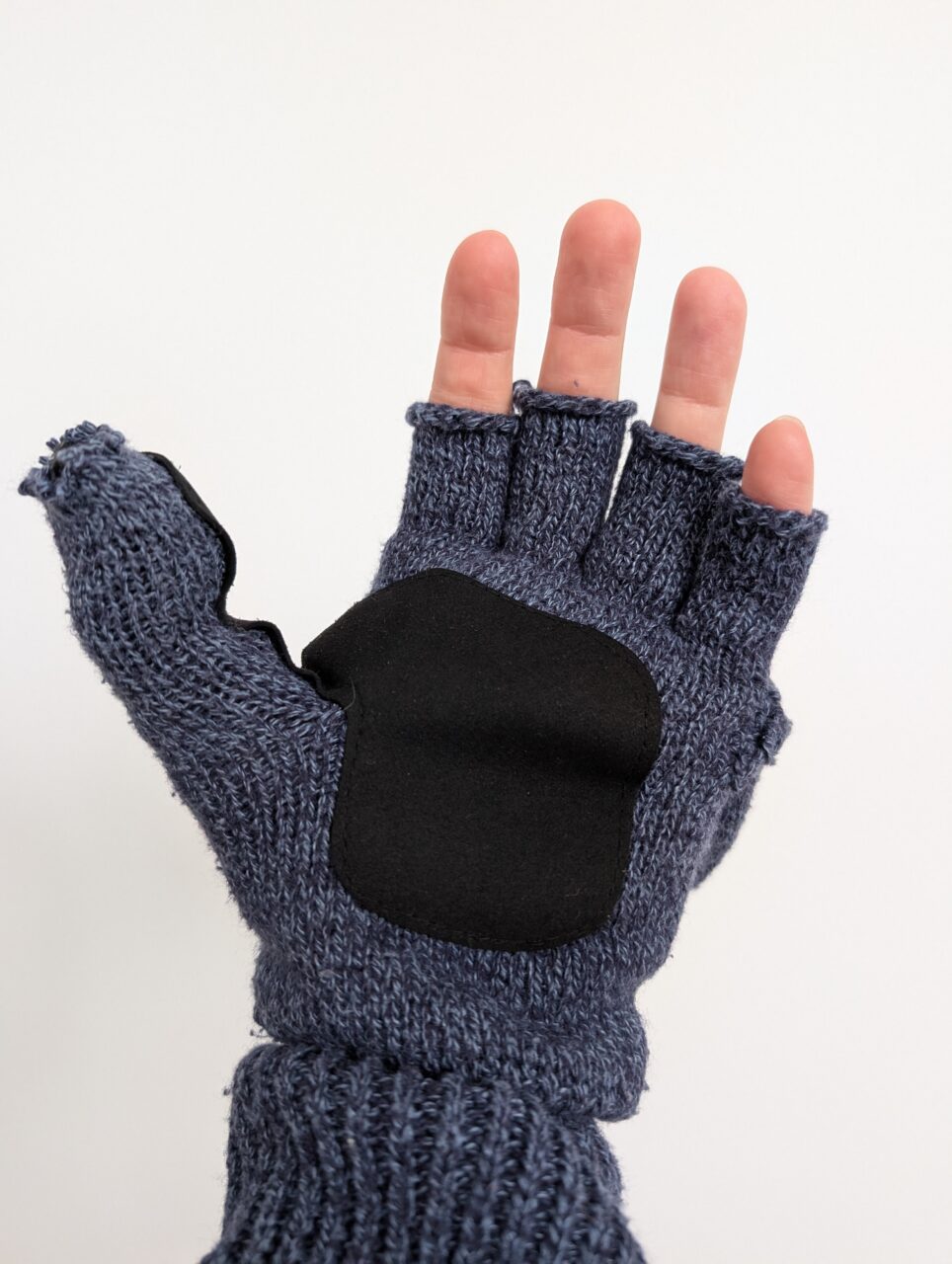
Imagine a glove with the fingertips cut off. From the perspective of the finger, it is alone. Each finger moves independently. It believes itself to be distinct from the others, unaware that beneath the glove, all the fingers are connected to the same hand. 

This is how we experience consciousness. We move through life as separate selves, bound by identity, beliefs, and experience, unaware that beneath the surface, we are all expressions of the same awareness. The hand is consciousness itself, but the glove—our individual ego, our sense of self—creates the illusion of separateness.

Alan Watts put it simply: “You are something the whole universe is doing in the same way that a wave is something the whole ocean is doing.” When we begin to see through the glove, we recognize that we are not just individual waves, rising and falling in isolation, but the entire ocean moving as one. The realization that you and I are the same being, peering at each other through different eyes, is what allows true compassion to emerge.

A good practice is imagining yourself as any other person; your partner, a family member, or a friend. Sitting, breathing, and using your imagination to actually view the world through that person’s eyes. But this is no exercise… This is the truth. The single consciousness of humans is simultaneously conscious in all people. Meaning, me imagining myself living through the eyes of someone else is no imagination at all, it is reality as the consciousness doing the imagining is the same exact consciousness living in that other body.

But when you see with clear eyes, when you recognize that the same awareness flows through all things, the illusion crumbles. You are not just the finger—you are the hand. You are not just the wave—you are the ocean. And in this realization, compassion is no longer an effort; it becomes the only natural response.

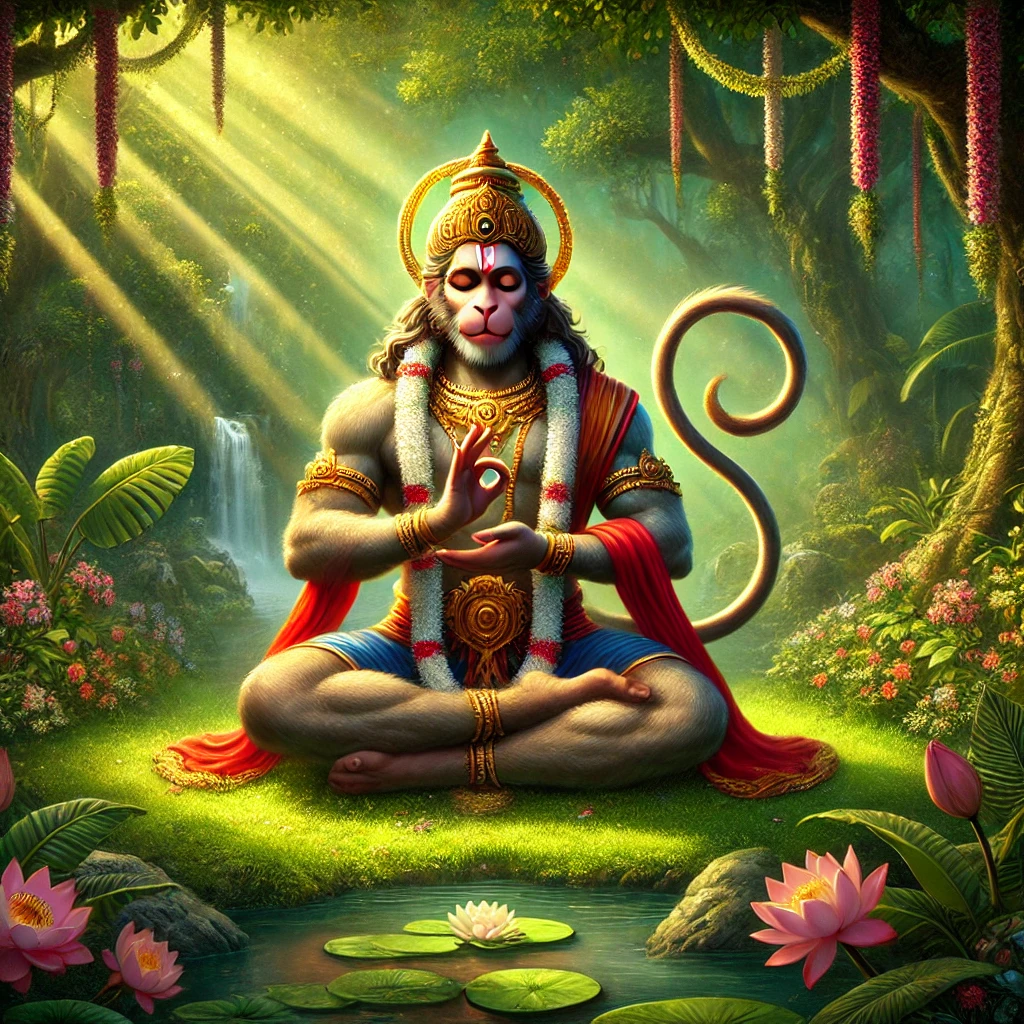
Ram Dass spoke often about this connection with Hanuman, a Hindu deity.

He told us a parable in which Rama, another Hindu deity, asked Hanuman, “What are you, monkey?”

Hanuman replied,
“When I don’t know who I am, I serve you. When I know who I am, I am you.” 

When you dissolve the illusion of separateness, every interaction becomes an opportunity to recognize yourself in another. The anger you hurl at someone else is anger you are hurling at yourself. The kindness you offer another is the kindness you extend to yourself. Love and hatred, connection and conflict—they all exist within the same unified field of being.

To live from this awareness is not to abandon individuality, but to see through it. It is to dance in the paradox of being both a wave and the ocean, both the finger and the hand. It is to recognize that in every face you meet, you are looking into a mirror. And once you see this—truly see it—you can never unsee it.

The only thing left to do is love.

WE ARE THE CONSCIOUSNESS OF THE PLANET

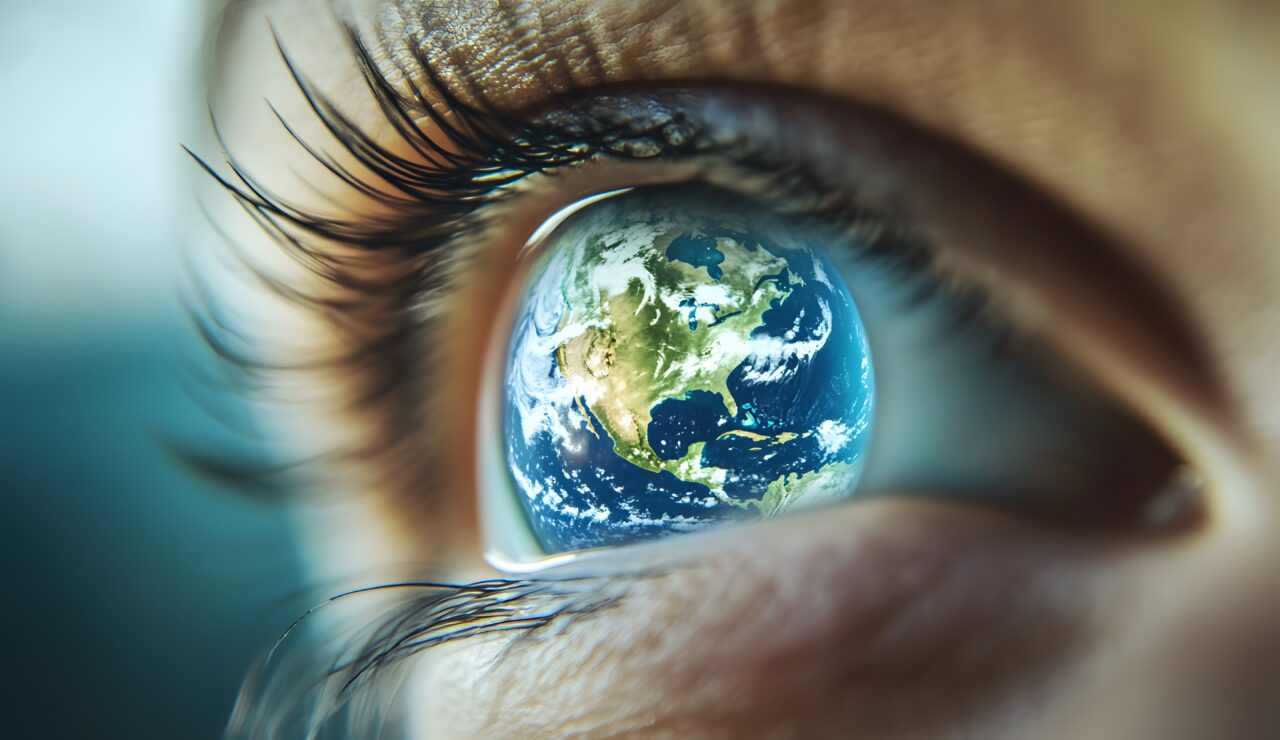
It’s easy to fall into the illusion of separateness, to believe that we are individuals distinct from the Earth we stand on. But this is a misunderstanding, a trick of the mind. Just as the cells in our bodies work in harmony to sustain us—each with its own function, from the heart pumping blood to the lungs drawing breath—so too does the Earth operate as a single, living entity. And we? We are its consciousness.

Alan Watts once said, “You are an aperture through which the universe is looking at and exploring itself.” The same can be said about our relationship with the Earth. The planet, through us, gains self-awareness. It grew us—not apart from itself, but as an extension of its own being, just as a tree grows branches or a river carves its path. Humanity is not separate from nature; we are nature reflecting upon itself.

This consciousness is not exclusive to humans. It is an aggregate of all life—animals, plants, fungi, even the microbial world—all part of a vast, interconnected intelligence. Carl Jung spoke of the collective unconscious, a shared psychic reservoir that all beings contribute to and draw from. The Earth, too, has its own collective awareness, formed by the thoughts, instincts, and emotions of everything that lives upon it. When a flock of birds moves as one, when trees communicate through mycelial network, when an ecosystem thrives in perfect balance, we see glimpses of this planetary intelligence at work.

If Earth is a conscious entity, then surely other planets must be as well. Some may have developed consciousness in ways we can’t yet imagine. What would the self-awareness of a gas giant look like? A planet covered in oceans? A world where life moves at a pace so slow or so fast that it defies our understanding of perception? If we are the Earth’s way of knowing itself, then other planets, too, must have their own ways of awakening.

Krishnamurti once said, “You are the world, and the world is you.” This is not metaphorical—it is a literal truth. We are the sensory organs, the dreaming mind, the reflective awareness of the planet itself. And as we awaken to this reality, we have the opportunity to live in harmony with the Earth, not as masters of it, but as conscious participants in its evolution.

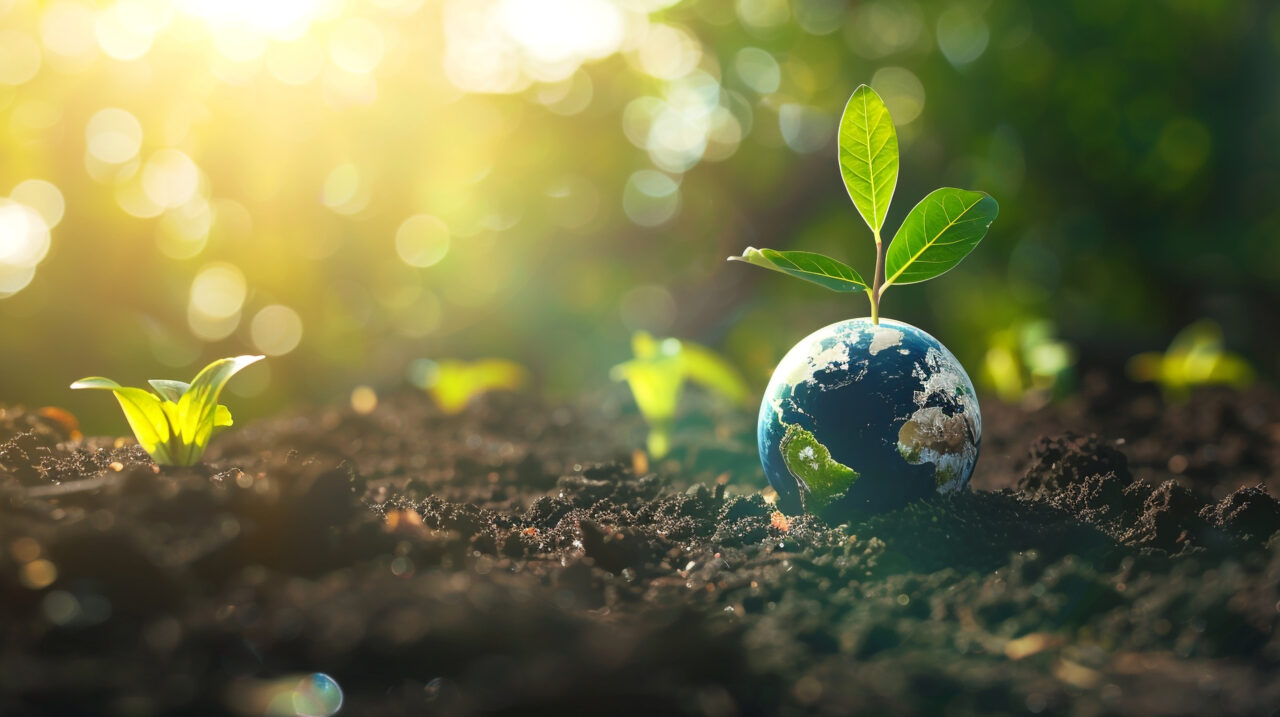
To recognize our role as the Earth’s awareness is to dissolve the illusion of separation. It is to see that we are not in nature—we are nature. And just as a healthy mind nurtures its body, a conscious humanity must nurture its planet.

A beautiful reflection of this idea can be found in Nature, a song by East Forest & Ram Dass. In the track, Ram Dass’ words serve as a gentle but profound truth that humans must dissolve the barriers between ourselves and the planet in order to fully prosper as a species. Check it out.

NEW YEAR’S RESOLUTIONS, FAITH, AND ATTACHMENTS

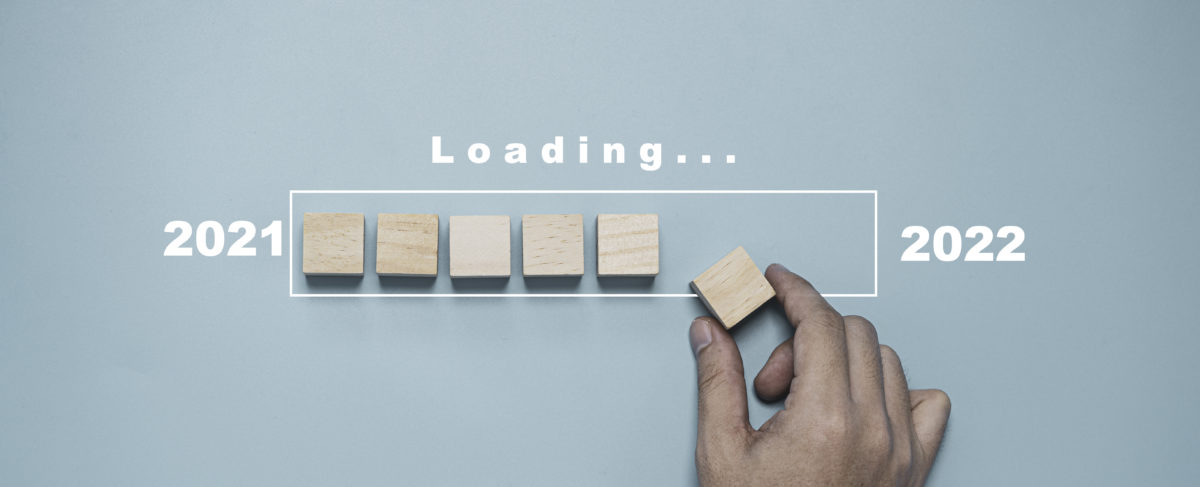
Flow with 2022

Today is the last day of the year. There’s not a lot of light and so it can be hard to see most of the day. This is kind of how I’m feeling heading into 2022, it’s dark and hard to see into the coming year. If the last 10 years are an indication of anything, it’s that no one has a crystal ball and the beginning of the year… Resolutions can be hard; sure setting a goal to lose 5 pounds is achievable, but there are so many things that could suddenly put that on hold.

I went to a yoga class this morning and the teacher told us that instead of setting goals this year that might be hard to predict, let’s instead surrender to our faith. She didn’t really delve into much detail about what she meant, but rather asked us to get in child’s pose and think about our relationship with faith while we breathe. What does it mean to you?

At first I had no idea… I don’t often think about faith. In fact, I’ve been so busy with my life and trying to be the best human I can be, I’ve totally forgotten about faith. Just like my breath began to unravel the muscles in my body, my slowing of thoughts began to give me clarity on my relationship with faith.

This past year, I have been focused on weaving non-attachment into every moment of my life. Non-attachment is a state in which a person overcomes their attachment to desire for things, people or concepts of the world and thus attains a heightened perspective. It allows a person to ‘just live’ and enjoy every present moment for it’s unique experience.

Living every moment with non-attachment eventually leaves you with nothing. So what is there to do when there’s nothing? Anything else of course. So you end up living your life because “what else is there to do?”. It’s my ever present mantra, you have to do nothing to do anything. It’s quite difficult to get to this point, but in my experience the results have been true bliss. I am free to love others and love myself all of the time. I am free to flow with life instead of trying to force my experience into a box.

So, this morning when I was on the mat I realized that faith and non-attachment are interwoven concepts. In order to fold non-attachment into your life, you must trust and have faith that you will not suffer as a result. It’s really difficult to have faith in nothing. Your ego constantly tells you to judge, or protect parts of yourself in order to live in this separated ego-centric world. But if you can ease your ego into harmony with the universe, you start to realize that you are one with everything and your faith is what holds you in that realm.

I’m certainly not saying we shouldn’t make a resolution… What else is there to do? Why not make a resolution, it’s fun. Try for a moment to remove your attachments to an outcome for now; relax, surrender, and float down stream.

Happy new year everyone!

Happy new year everyone!

OVERCOMING THE MUNDANE

Live in the present and experience a life of bliss.

I am a student of life. I was born wired to question everything and never make assumptions. I never really knew that this was unique growing up until I realized that I started taking a different path from my friends. I was noticing that I was able to pause and feel empathy towards our planet, towards others, and even our universe. This lead to a feeling of separateness which at the time became depressing.

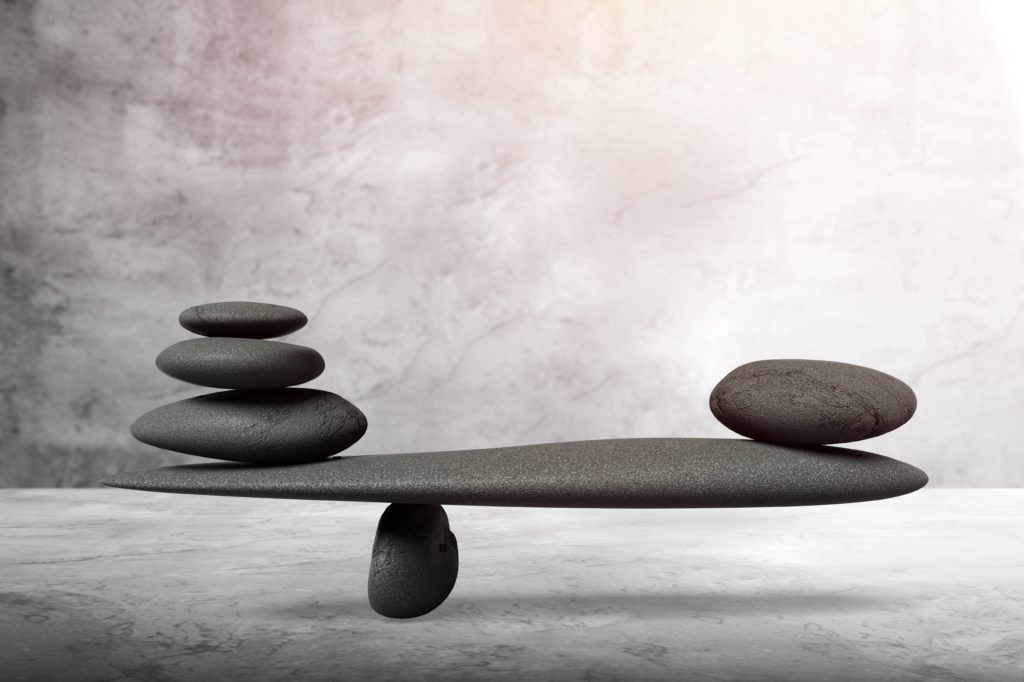
It wasn’t until I started my intentional spiritual journey that I realized that where your focus goes, your energy flows. If you tend to focus on the yin and not the yang, then that manifests itself as your way of thinking. Instead, I began to pivot my attention on the true holistic nature of our universe. The duality of oneness juxtaposed by nothingness and creation. It changed my life forever, and to this day it shapes my way of thinking in everything I do.

Greed, laziness, resentment, you name it; it’s all caused by what I consider drama. My definition of drama relies on expectation of how things will be in the future and expectation of how things should have been in the past. These missed or false expectations are what breed negative types of feelings and oftentimes are results of things completely out of my personal control.

For instance, why should I work 40 hours a week? Well if it doesn’t make me happy, then I shouldn’t. But, the reasons it might not make me happy are based in a mindset that holds risk of drumming up negative emotions caused by drama.

Why is the present, the now, so important? The exact present holds no drama and thus cannot hold negativity. When I look inside myself, the present is all that exists. I am no longer the person I was 5 seconds, 10 minutes, or years ago. I am also not the person I am becoming 5 seconds, 10 minutes, or years from now. You and I are exactly this moment, and this moment alone.

So it’s simple, I live my life in the only place where expectation cannot be judged or cannot unfold. Right now I am a manifestation of the duality of the universe regardless of what I am physically doing. So as long as I am centered on the present during any of my actions, then there is no way around a centered blissful approach to everything I do and everything I do becomes blissful and centered.

When I think of working 40 hours a week, it’s not about if want to or I don’t want to, it’s that I’m here right now doing it or I’m not. As long as I stay present in what I’m doing, there is no room for the mundane to be noticed.